Skip to Content

What is the EAGALA Model?

The EAGALA Model provides a standard and structure for providing Equine Assisted Psychotherapy and Equine Assisted Learning sessions.  Practicing within a model establishes a foundation of key values and beliefs, and provides a basis of good practice and professionalism.  The EAGALA Model provides a framework of practice, but within that framework, there are infinite opportunities for creativity and adaptability to various therapeutic and facilitating styles.       

The EAGALA Model

  • The Team Approach – An Equine Specialist, a Mental Health professional, and horses work together with clients in all EAGALA sessions
  • Focus on the ground – All EAGALA sessions are on the ground with horses (no mounted work)
  • Solution-Oriented – The belief that our clients have the best solutions for themselves forms a foundation for the EAGALA approach.  Rather than instructing or directing solutions, we allow our clients to experiment, problem-solve, take risks, employ creativity, and find their own solutions that work best for them.
  • Code of Ethics - EAGALA has a code of ethics, and has a standard of professionalism and ethics.

The EAGALA Team

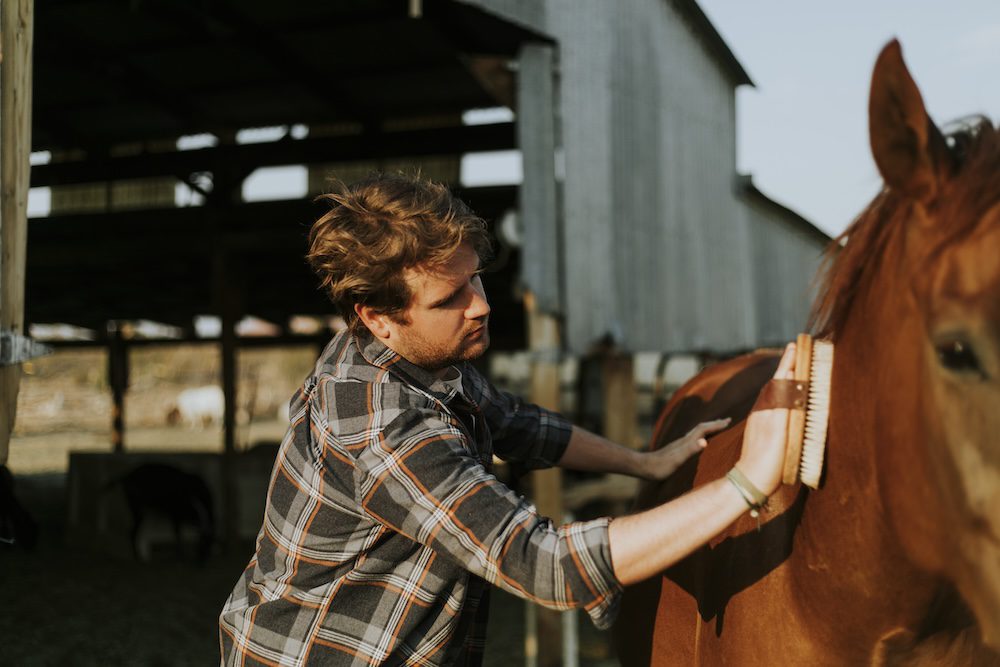
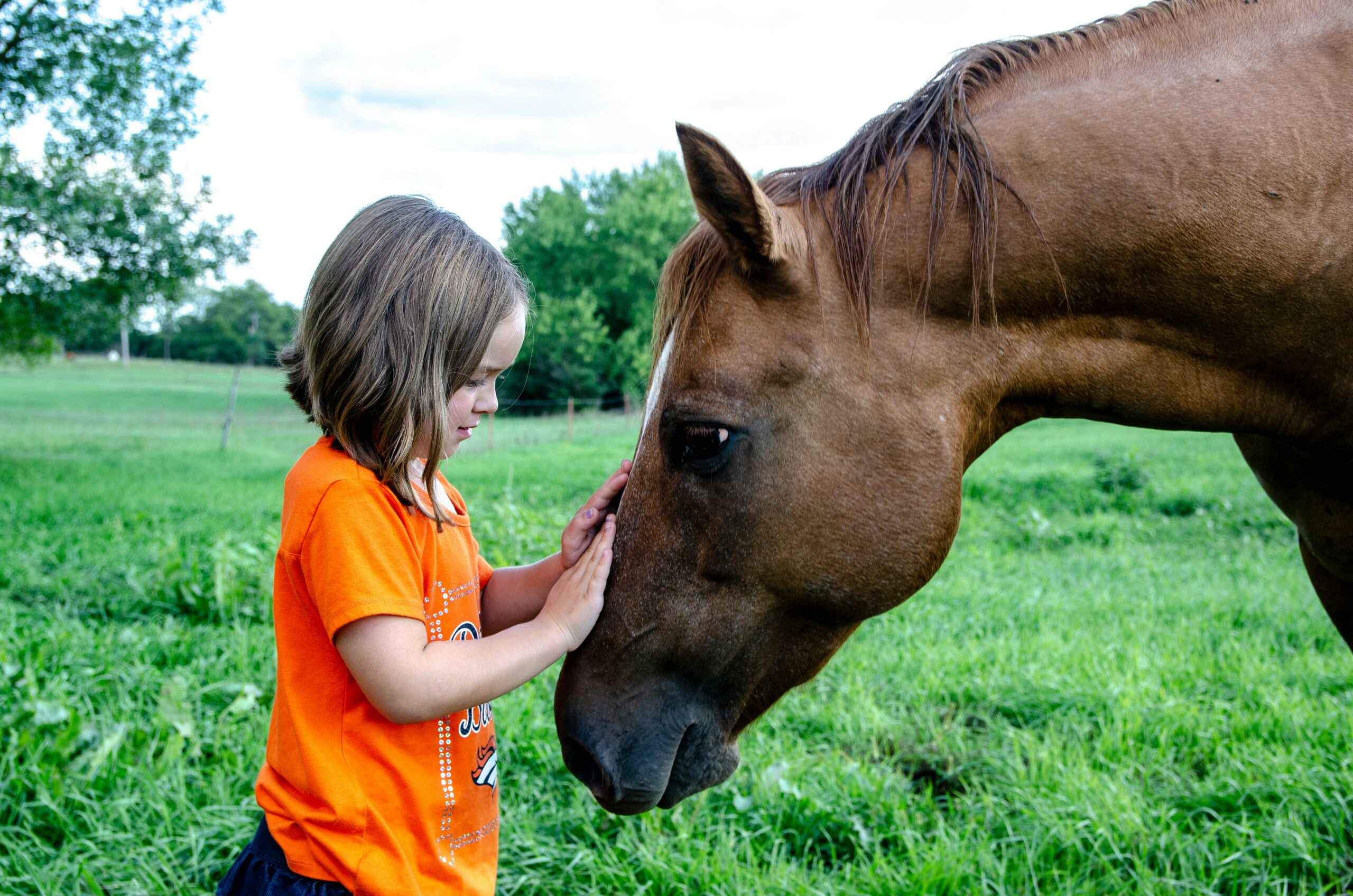
  • The Horse:  Horses have many characteristics which lend them to being effective agents of change, including honesty, awareness, and ability with nonverbal communication.  The role of the horses in an EAGALA session is to be themselves.
  • The Equine Specialist (ES):  The ES chooses the horses to be used in sessions, works with the MH to develop activities, keeps an equine log to document horse behaviors in sessions, stays aware of safety and welfare of clients, horses, and team, and makes observations of horse SPUD’s (an EAGALA-developed observation framework taught in the certification training program) which can bring in potential metaphors.
  • The Mental Health Professional (MH):  The MH is responsible for treatment planning, documentation of clients, and ensuring ethical practice.  The MH builds on the ES’s horse observations, bringing in the metaphoric and therapeutic/learning relevance of the session.

 GroupObstacle